Home / Courses

ClutterLearn Courses

Eight self-paced courses, one method. Start with Foundations, then take the specialist that matches your pressure point. Enrolment is a one-minute interest registration — nothing is charged on this site.

Step 1 · Start here

Home Organising Foundations

The method every other course assumes.

Step 2 · Your pressure point

Pick a specialist

Small space, paperwork, kitchen, wardrobe, family or moving.

Step 3 · Keep it

Sustain habits

Every course ends with the two habits that carry the system.

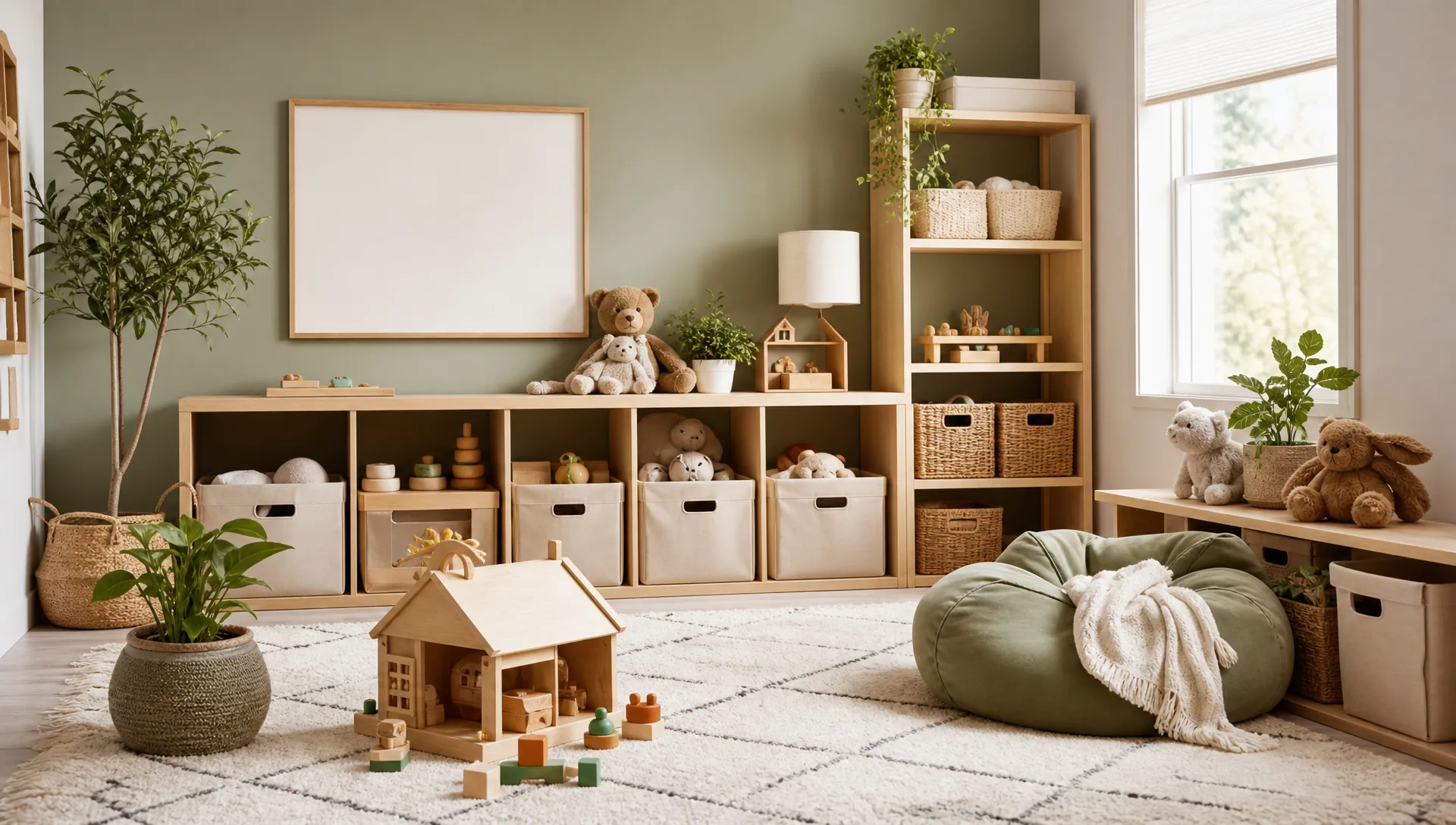
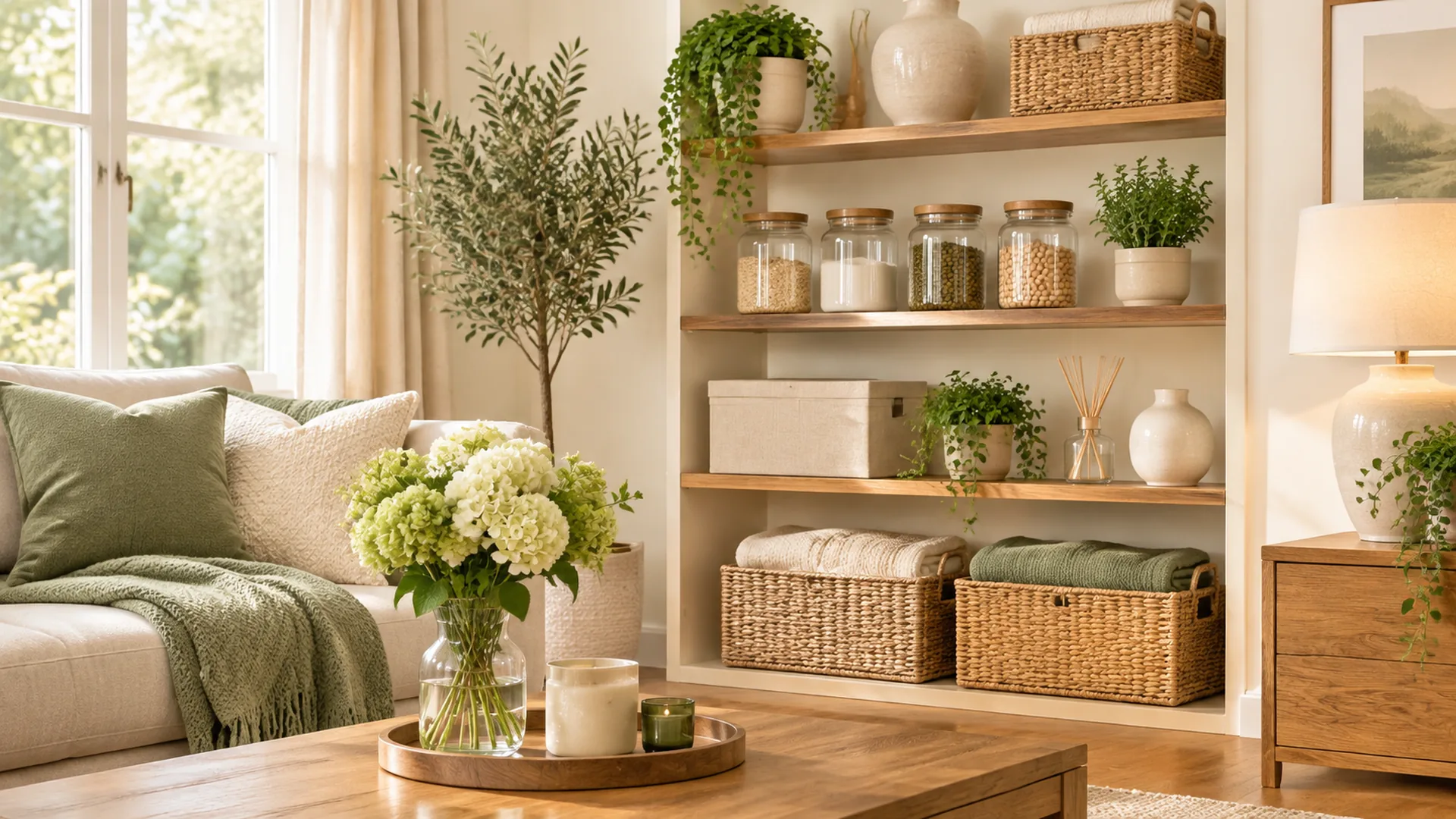
Home Organising Foundations course cover
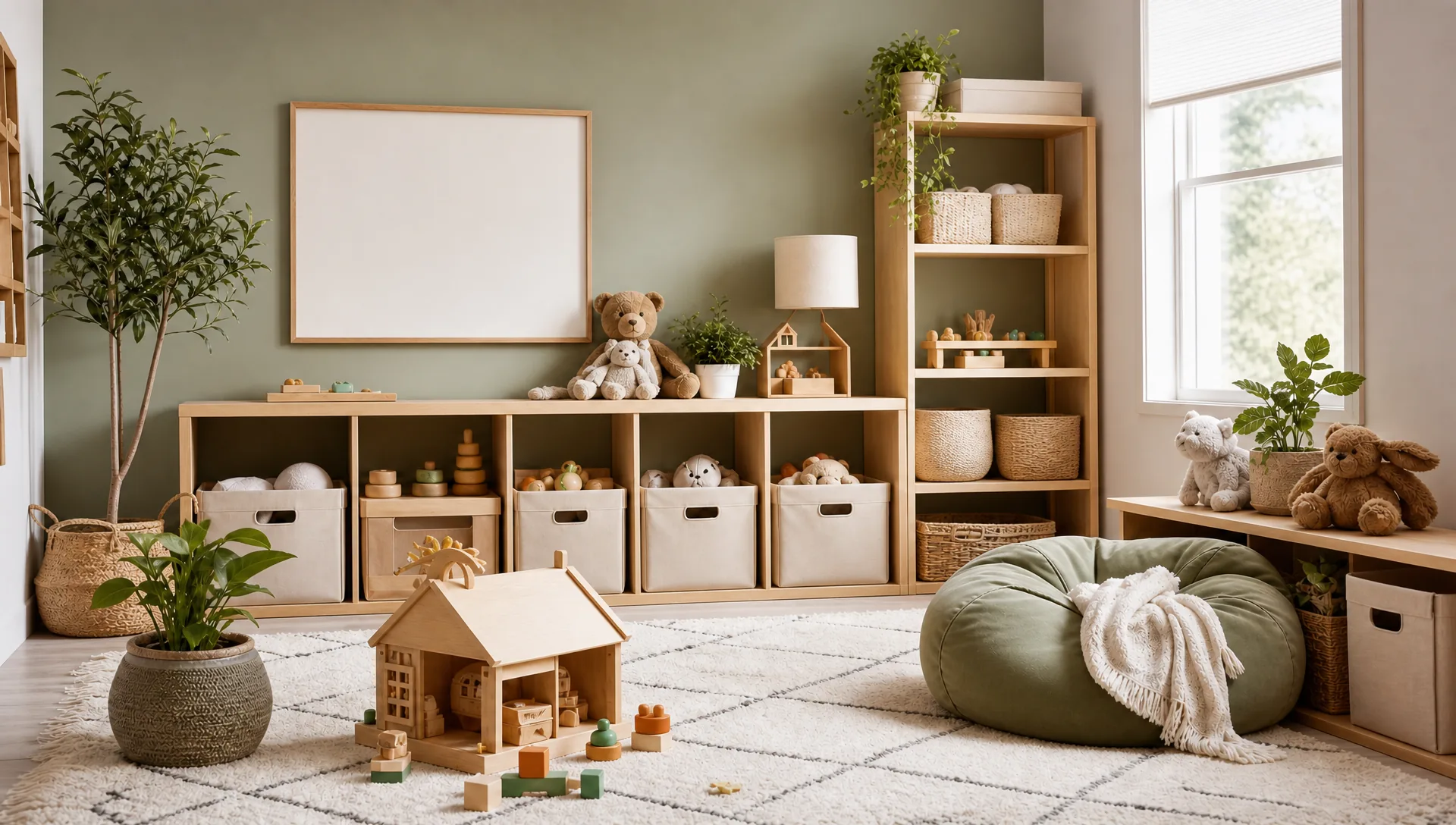
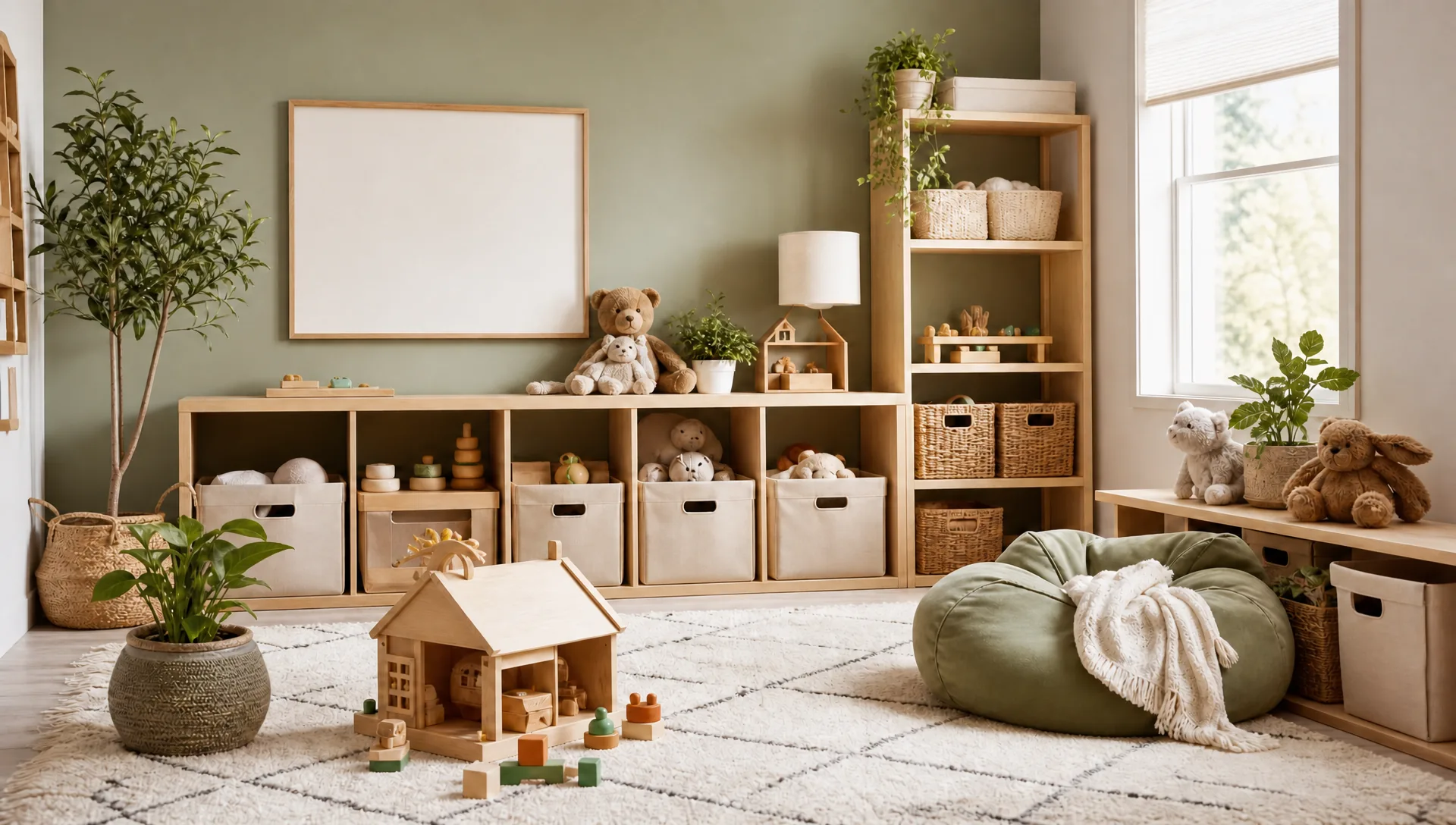
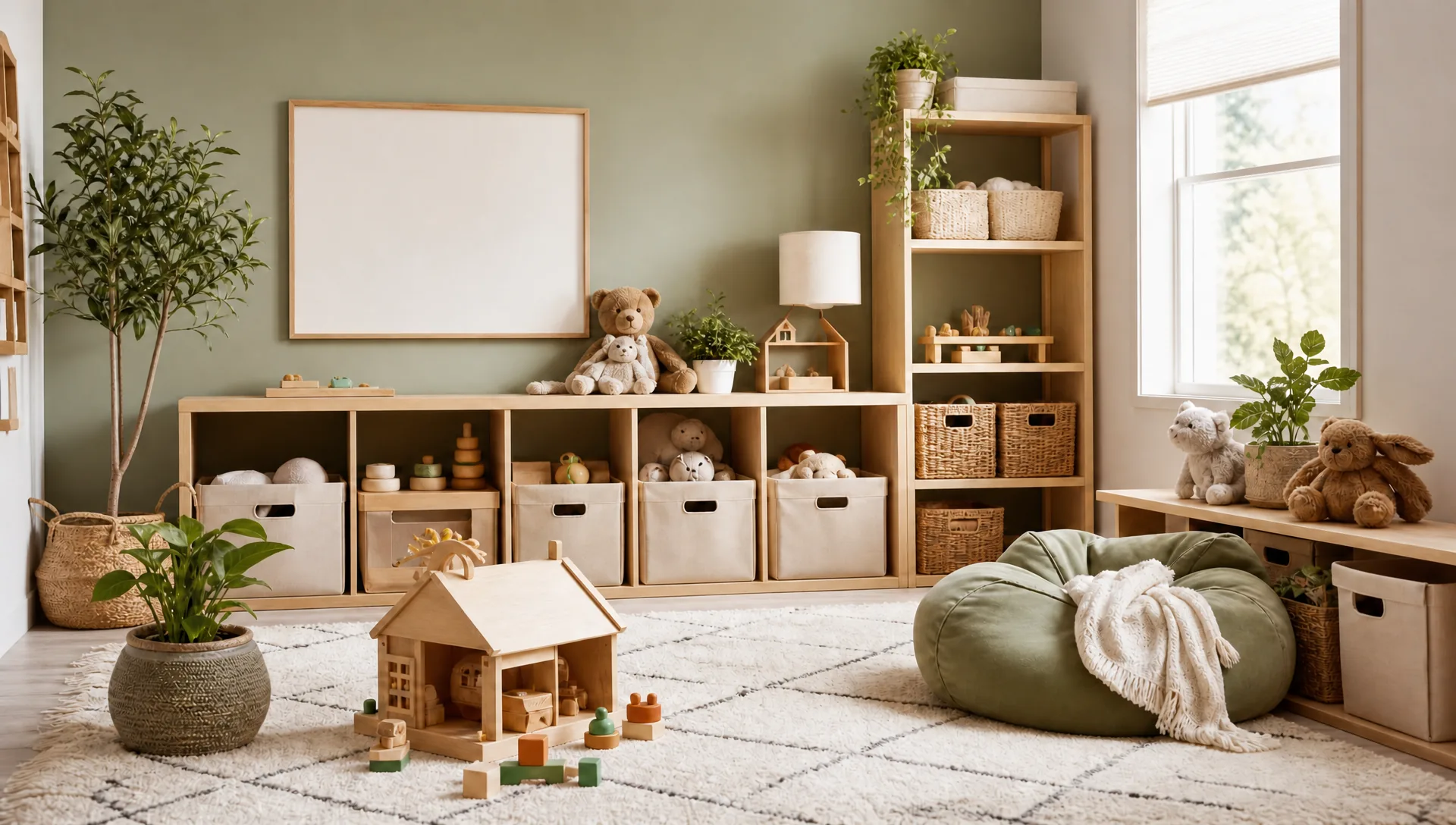
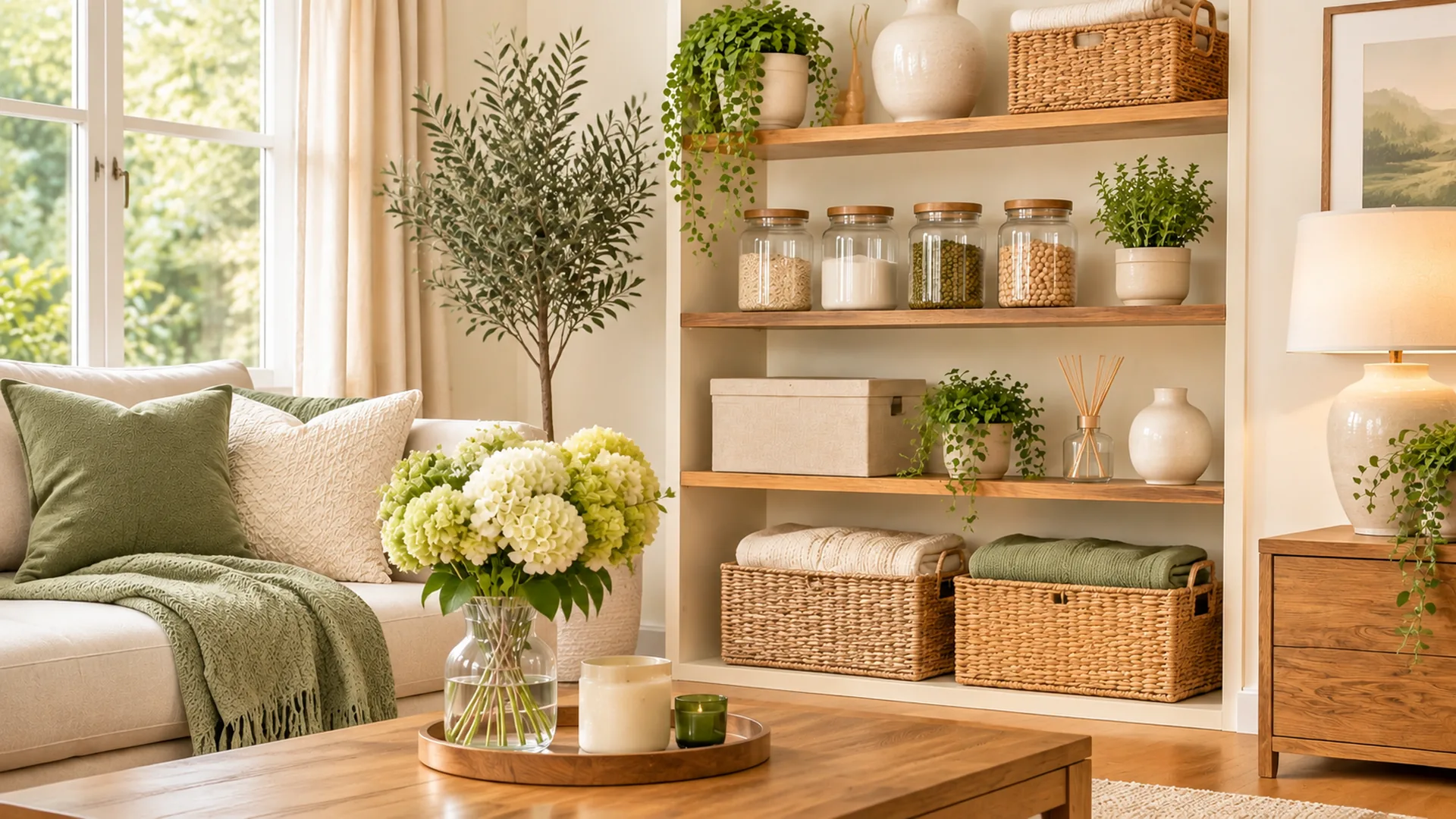
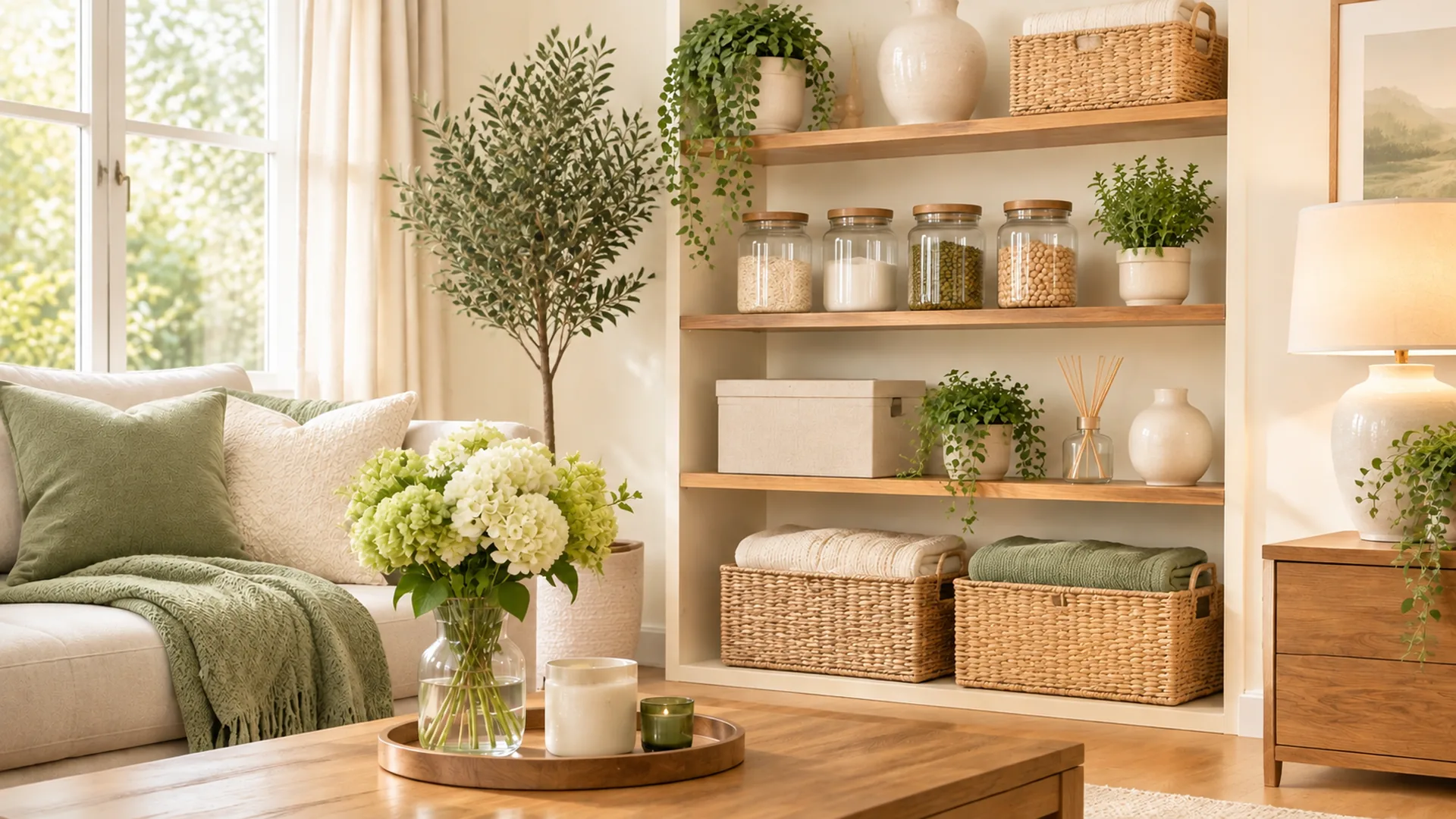
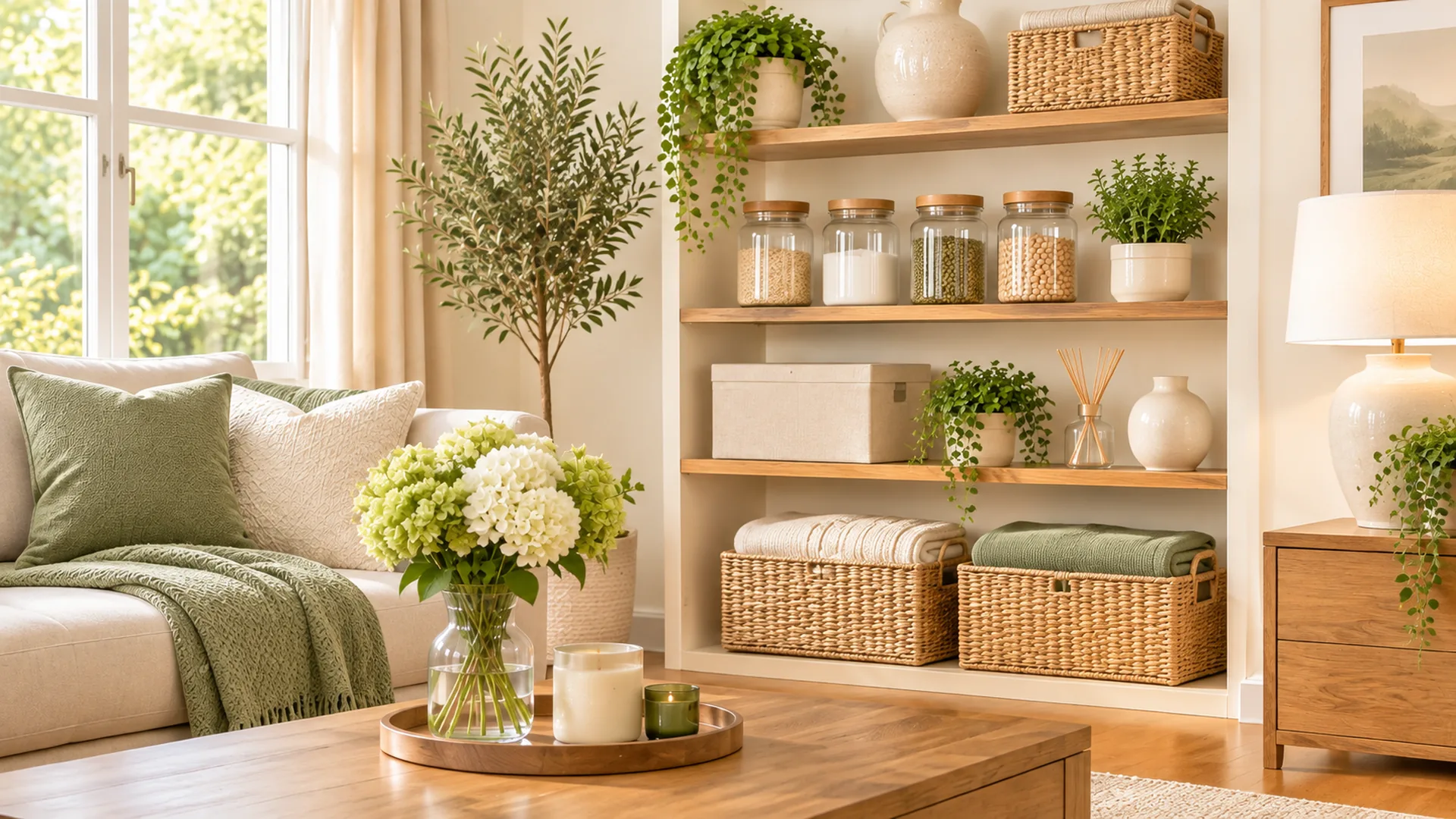
Home Organising Foundations — course illustration 2Home Organising Foundations — course illustration 3Home Organising Foundations — course illustration 4
Start here

Home Organising Foundations

6 lessons · self-paced · printable workbook

The method behind every tidy home: sort, slim, store, sustain — and the habits that keep it.

The foundations course is where every ClutterLearn journey starts. It teaches the four-step method we use across the whole library — sort what you own, slim it honestly, store what remains where it is easiest to maintain, and sustain it with two small weekly habits. You will work room by room on your own home, with printable decision cards and a workbook that turns each lesson into a finished result.

What you’ll learn

  • The four-step ClutterLearn method and when to apply each step
  • Surface-by-surface clearing that survives busy weeks
  • One-motion homes: choosing storage your hands will actually use
  • The nightly reset and the weekly review, in ten minutes each
Small-Space Systems course cover
Small-Space Systems — course illustration 2Small-Space Systems — course illustration 3Small-Space Systems — course illustration 4
Specialist

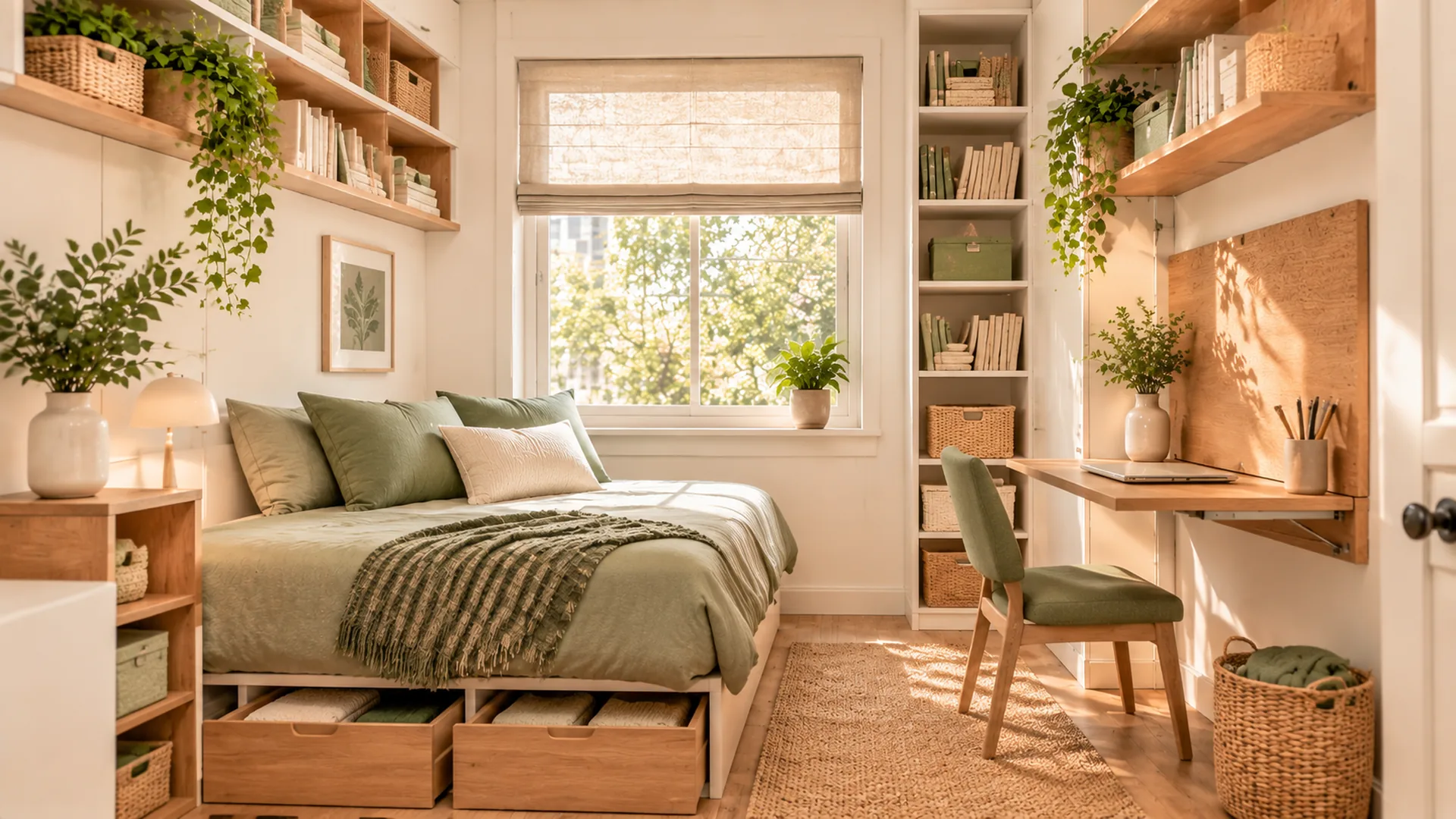
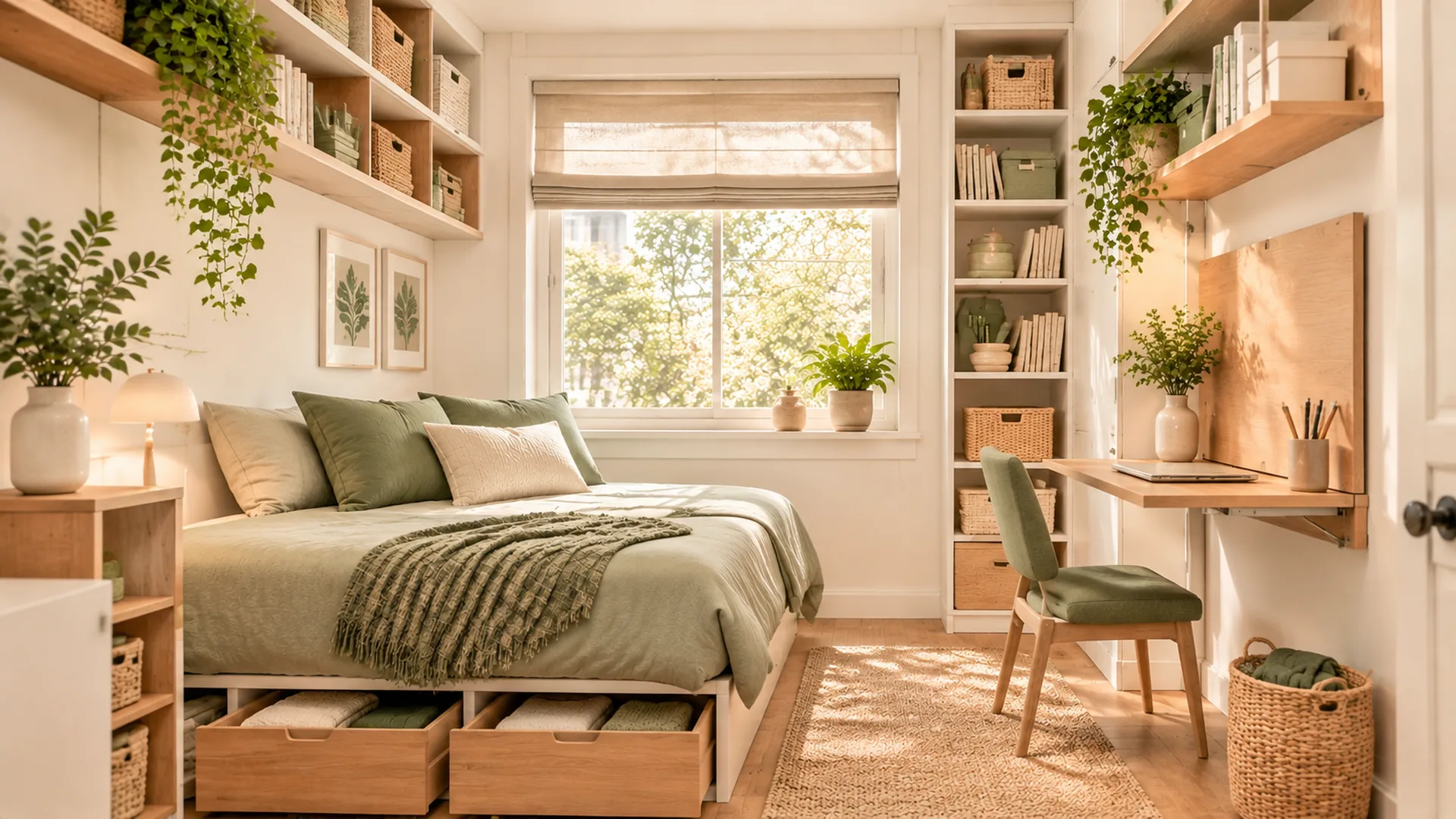
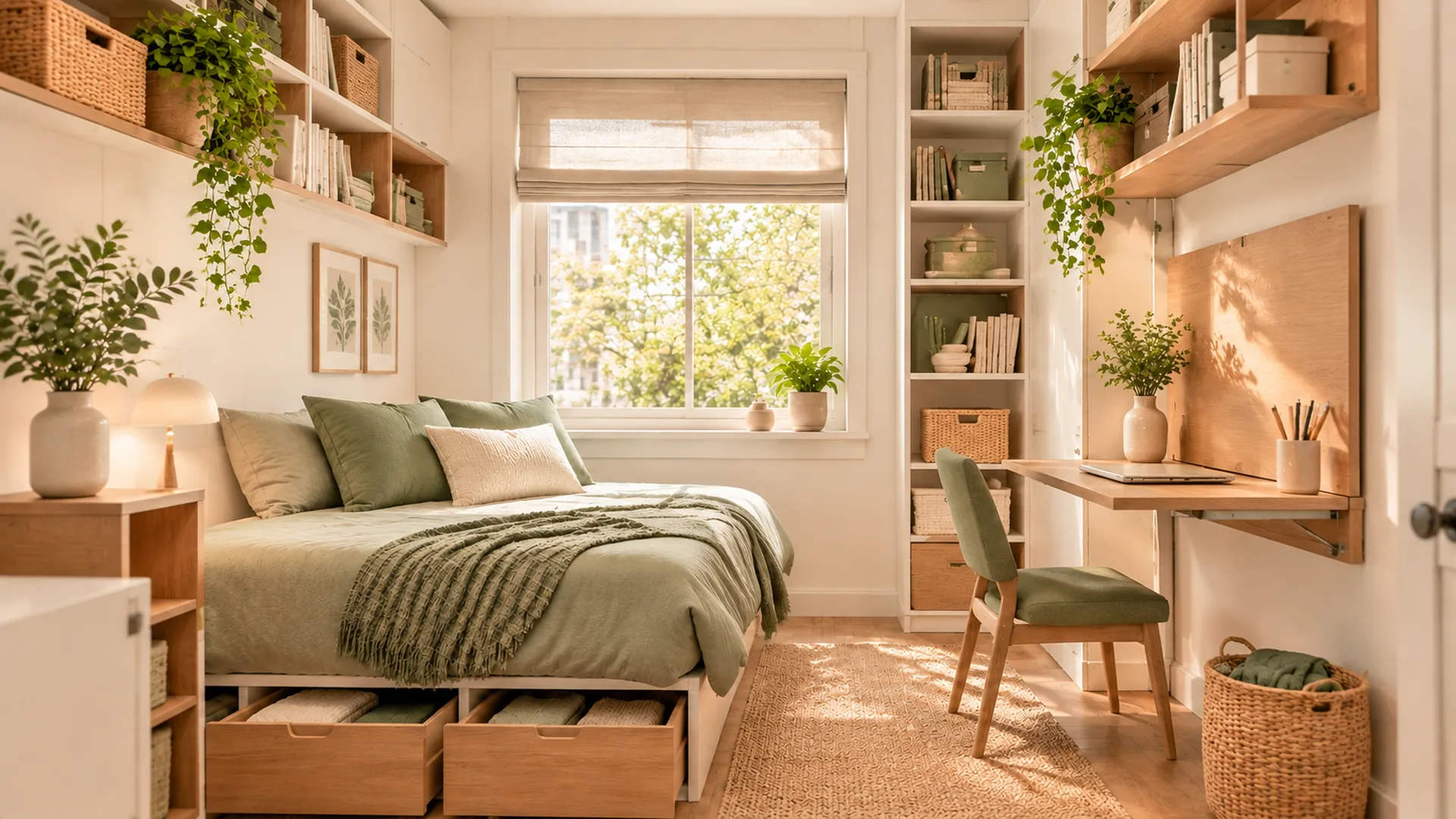
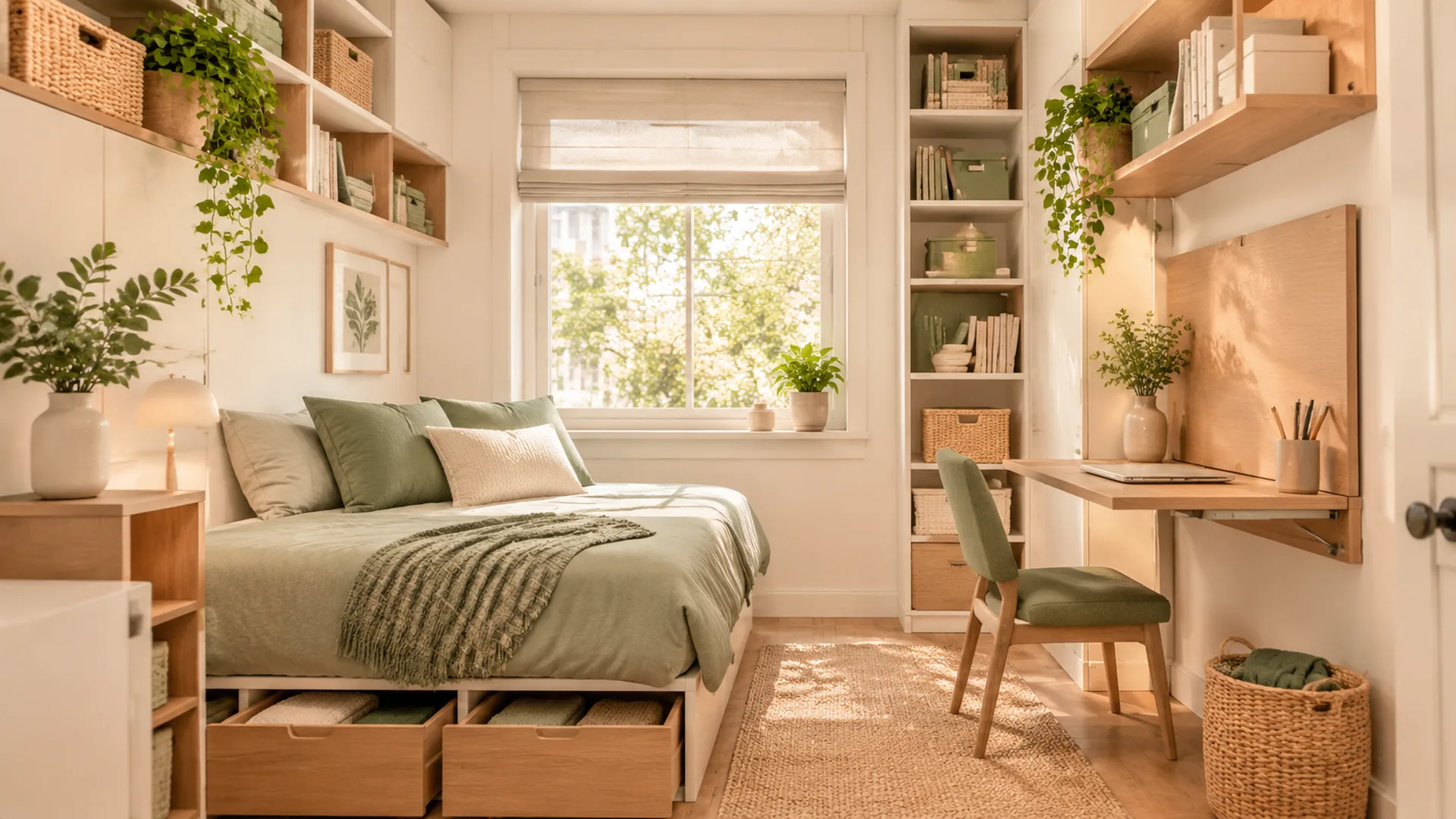
Small-Space Systems

5 lessons · self-paced · floor-plan worksheet

Zones, vertical space and double-duty furniture for flats where every square metre counts.

Small homes do not need more stuff in smarter boxes; they need fewer decisions per object. This course walks your flat zone by zone, maps the vertical space most owners never use, and ends with a storage plan sized to your real floor plan — not to a showroom. Includes the rental-friendly toolkit: tension poles, over-door systems and no-drill fixes that still look considered.

What you’ll learn

  • Naming and equipping activity zones in open-plan and studio homes
  • The height-layer method for shelving and wardrobes
  • Double-duty furniture: choosing pieces that earn their footprint
  • Rental-friendly storage that survives inspection day
Paperwork & Digital Filing course cover
Paperwork & Digital Filing — course illustration 2Paperwork & Digital Filing — course illustration 3Paperwork & Digital Filing — course illustration 4
Specialist

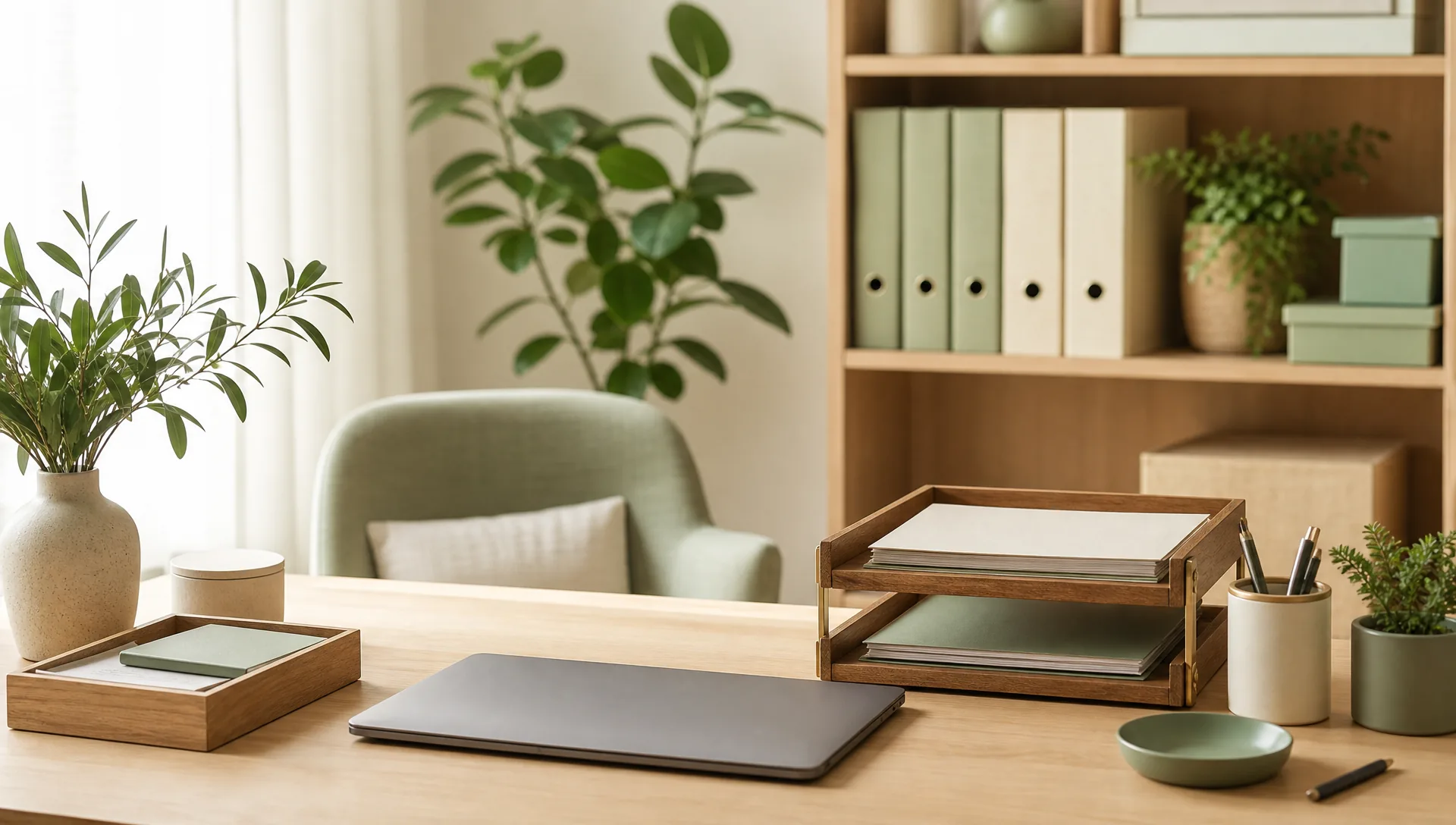
Paperwork & Digital Filing

5 lessons · self-paced · folder templates

The three-tray system, UK keep-shred guidance, and a digital filing tree you will not abandon.

Paper piles up because every sheet carries a decision. This course installs the three-tray system — Act, File, Shred — then works through what UK households genuinely need to keep, for how long, and what can go today. The second half moves online: a scanning habit, a folder tree that mirrors your trays, and a naming pattern that makes every document findable in seconds.

What you’ll learn

  • Installing the three-tray system where post actually lands
  • UK records guidance: what to keep, for how long, and what is forever
  • Scanning without creating a second mess: folders and naming that scale
  • The ten-minute weekly paperwork reset
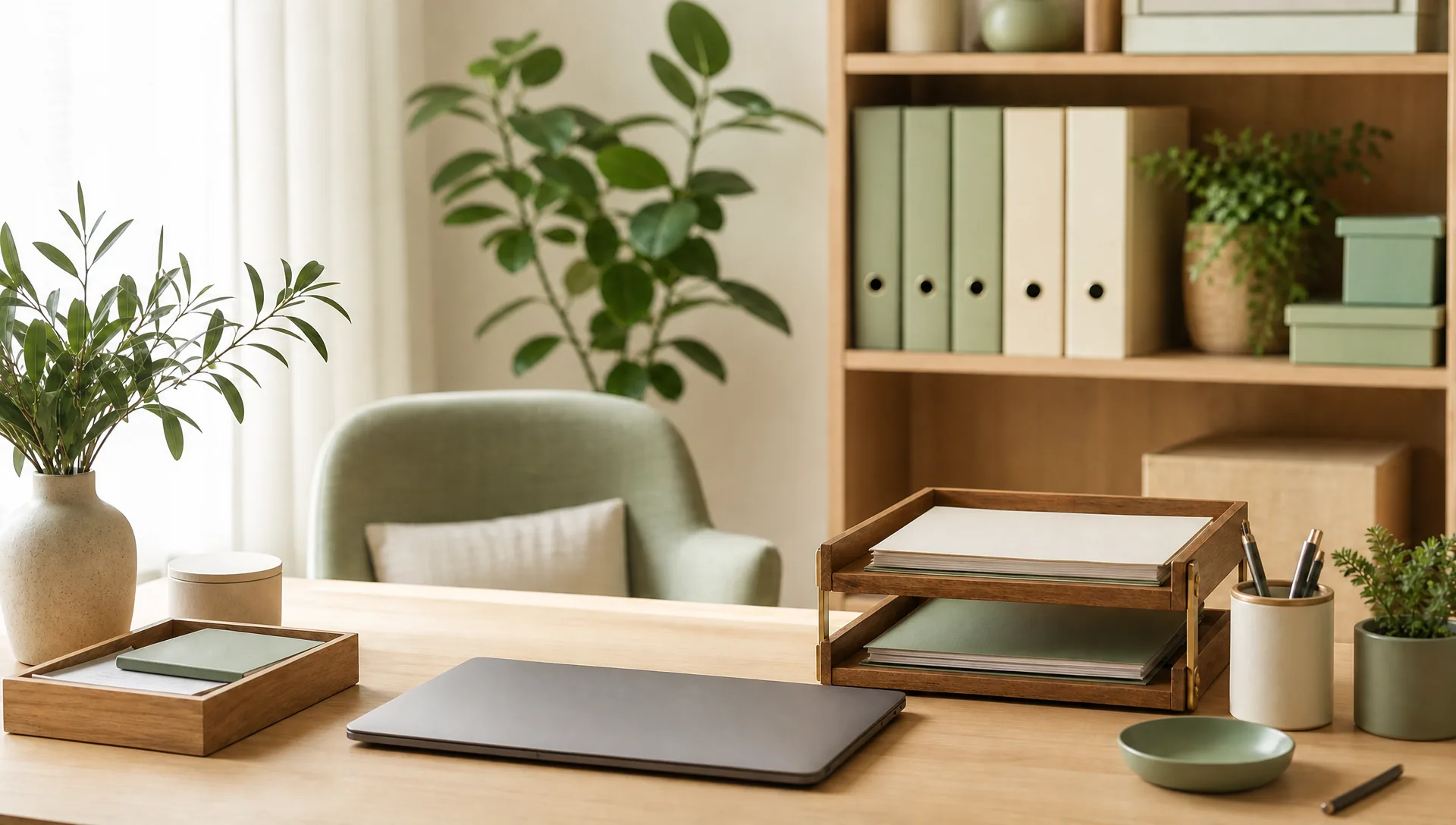
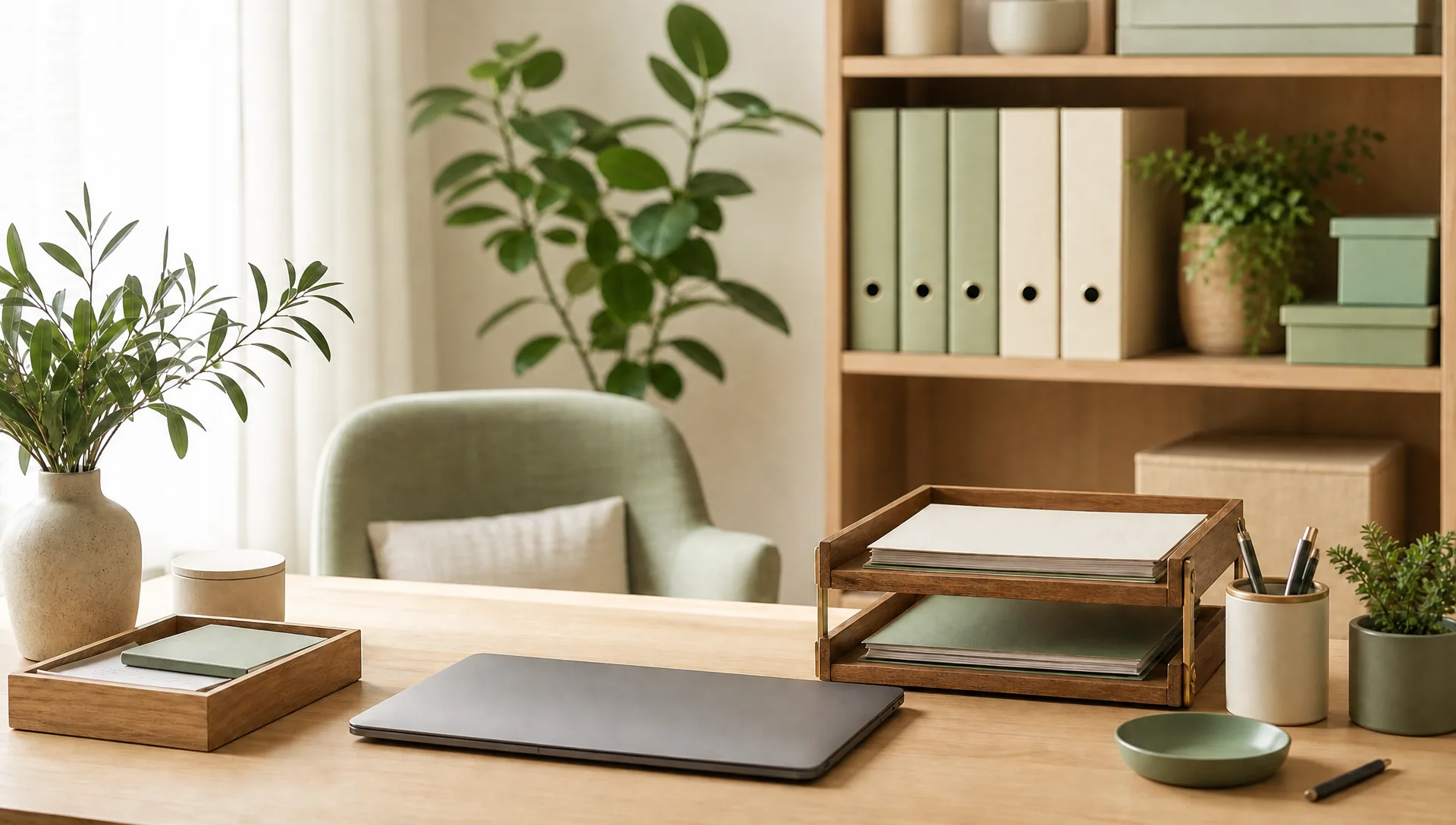
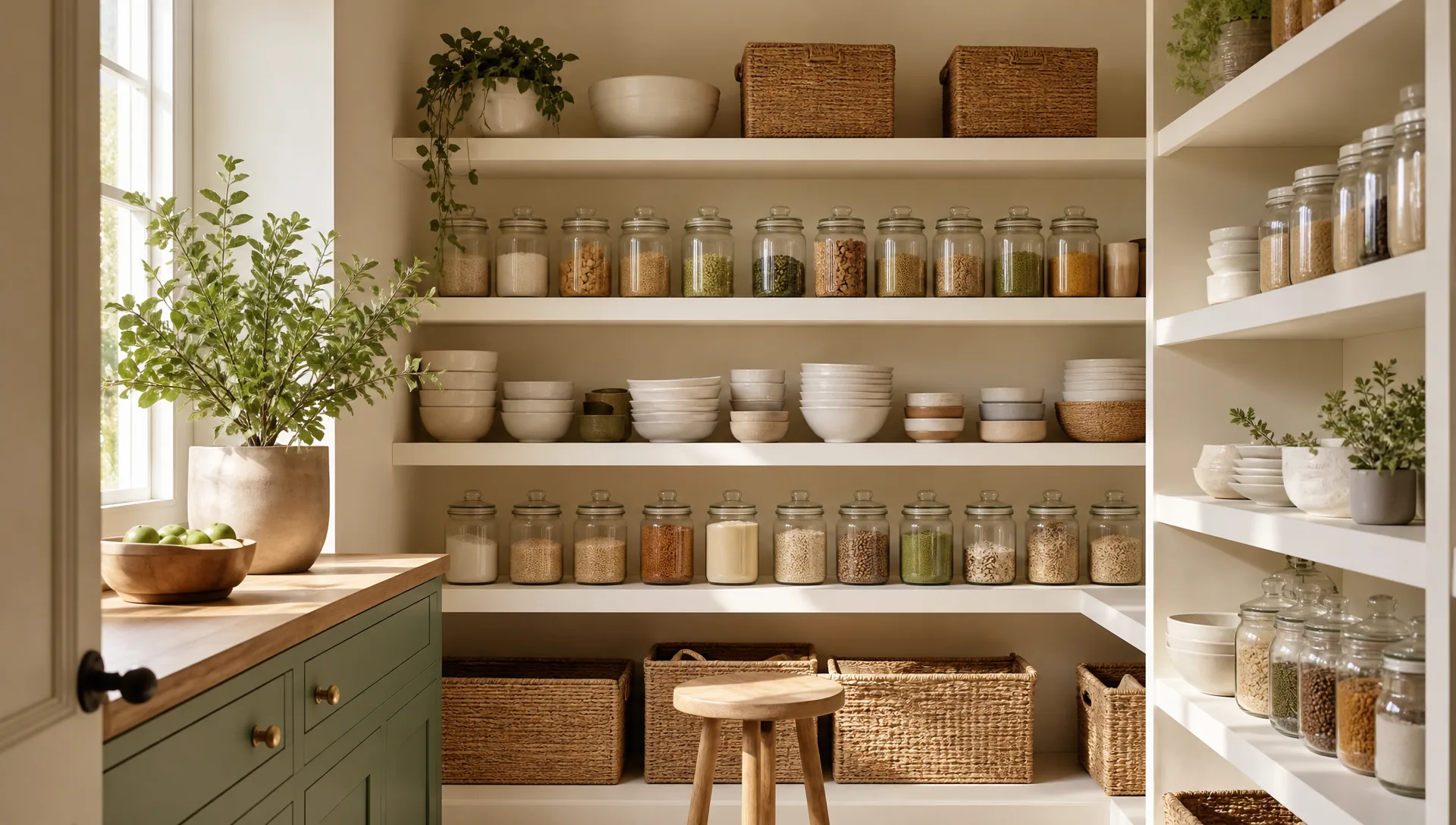
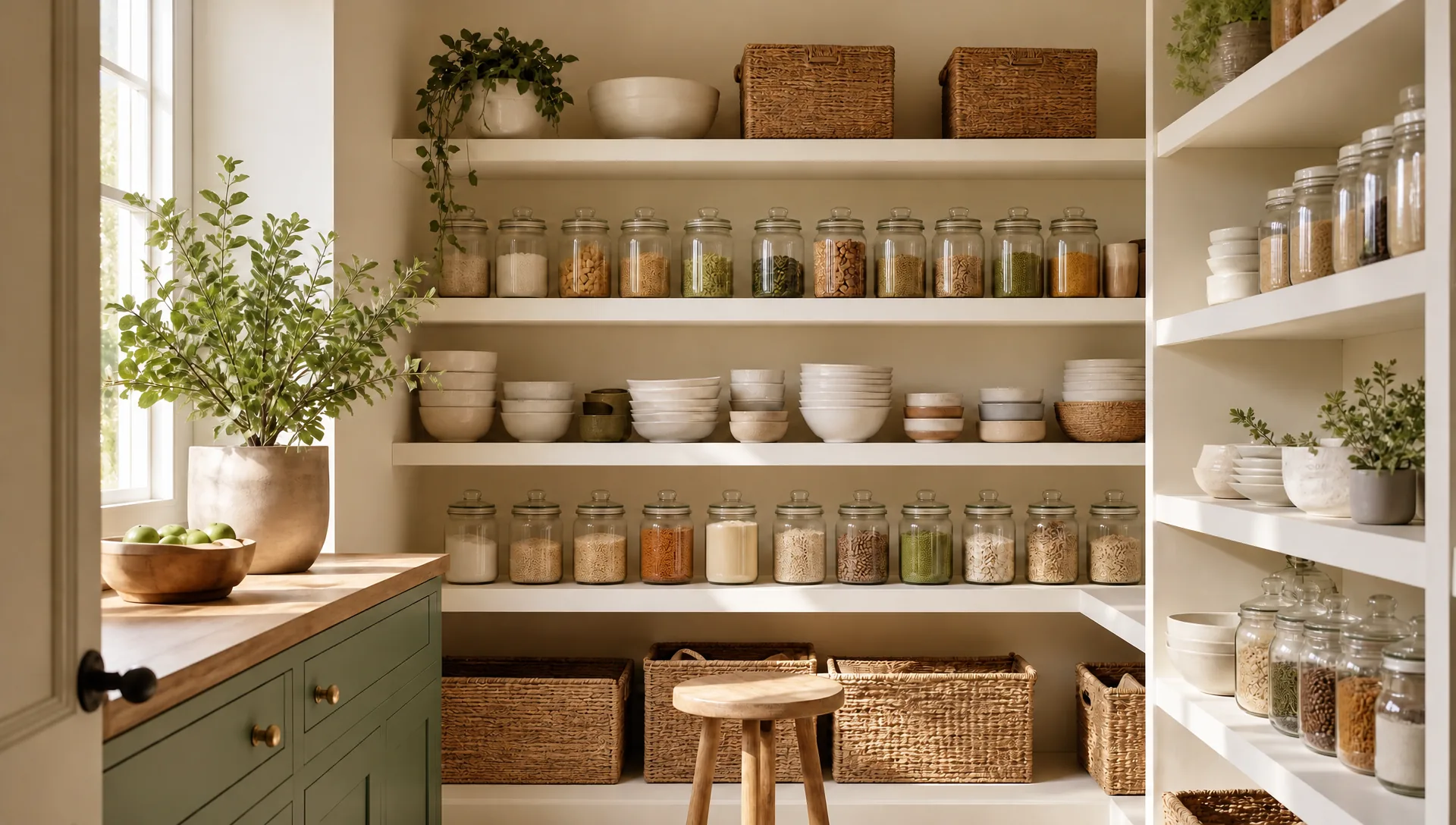
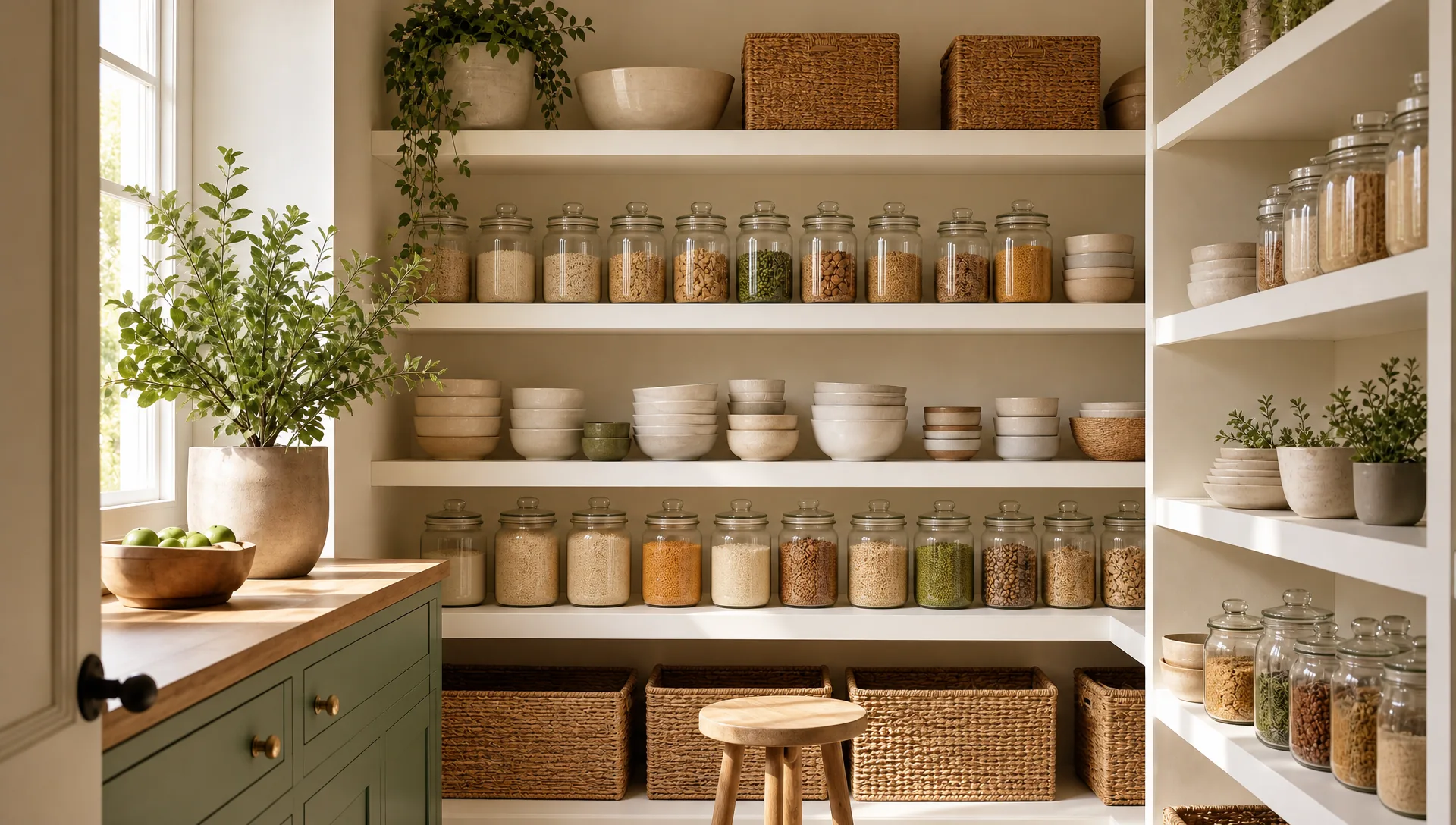
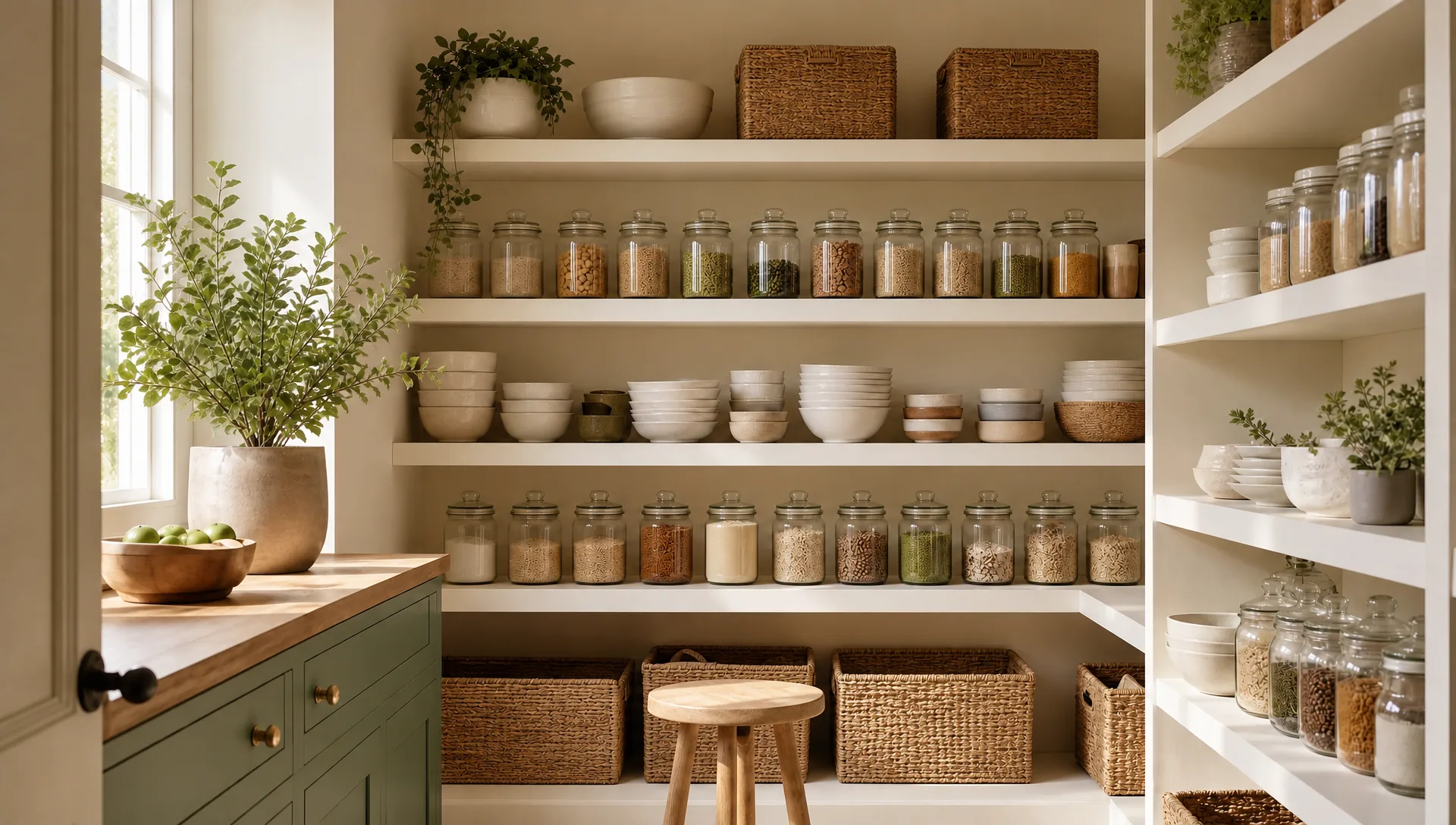
Kitchen & Pantry Reset course cover
Kitchen & Pantry Reset — course illustration 2Kitchen & Pantry Reset — course illustration 3Kitchen & Pantry Reset — course illustration 4
Specialist

Kitchen & Pantry Reset

4 lessons · self-paced · zone checklist

A working kitchen by Sunday evening: zones, decanting decisions, and a pantry that restocks itself.

The kitchen is the hardest-working room in the house and the easiest to undo. This reset works in one weekend using the zone method: prep, cook, wash, store and table zones each get a boundary, a one-motion home and a maintenance rule. Decanting is treated honestly — what it genuinely helps and when it is just more washing up — and the pantry module builds a restock list that ends duplicate shopping.

What you’ll learn

  • The five kitchen zones and the boundaries that protect them
  • Counter discipline: the only five things that earn counter space
  • Pantry systems: visibility, rotation and the running restock list
  • Fridge and freezer mapping that reduces food waste
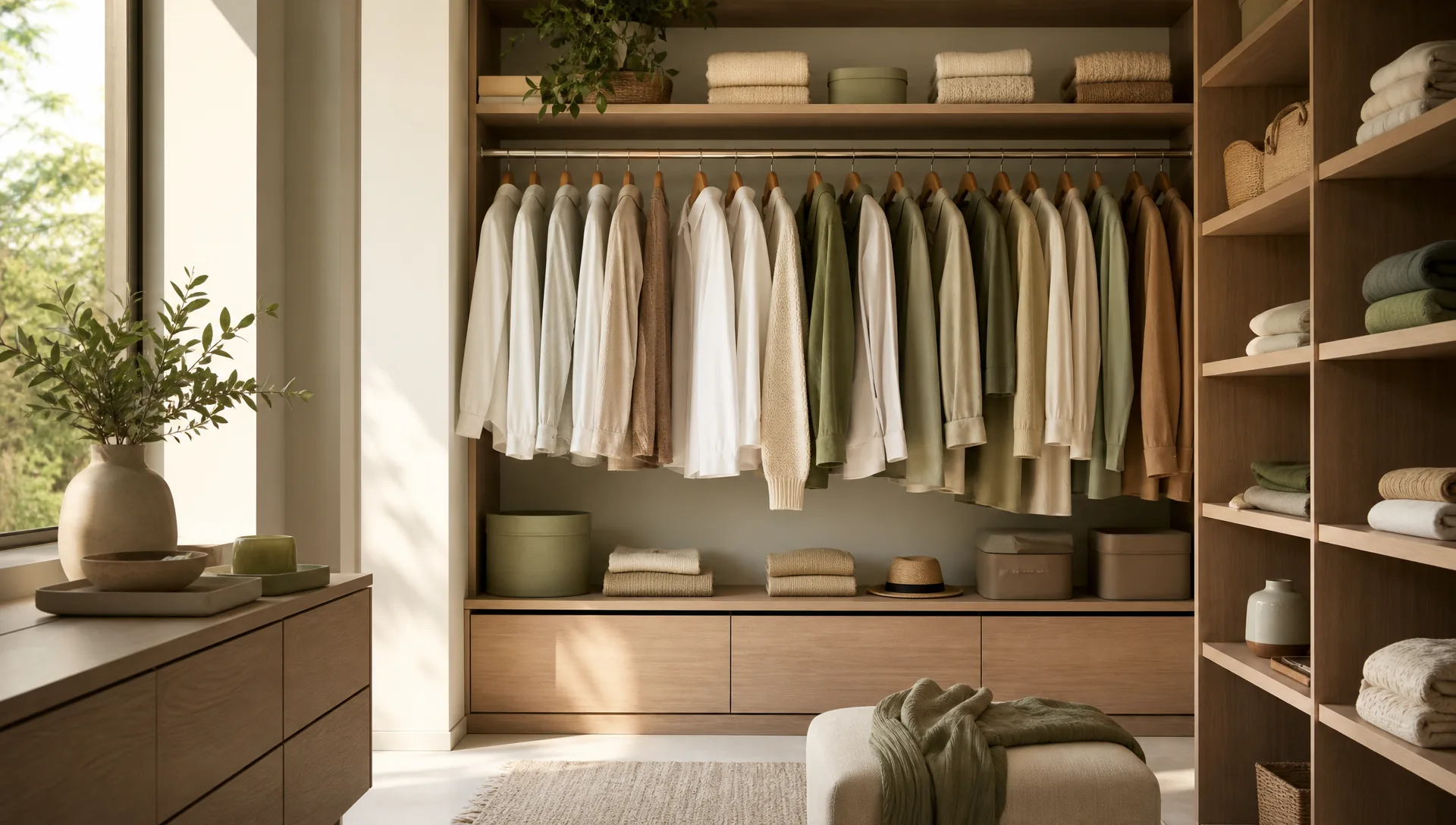
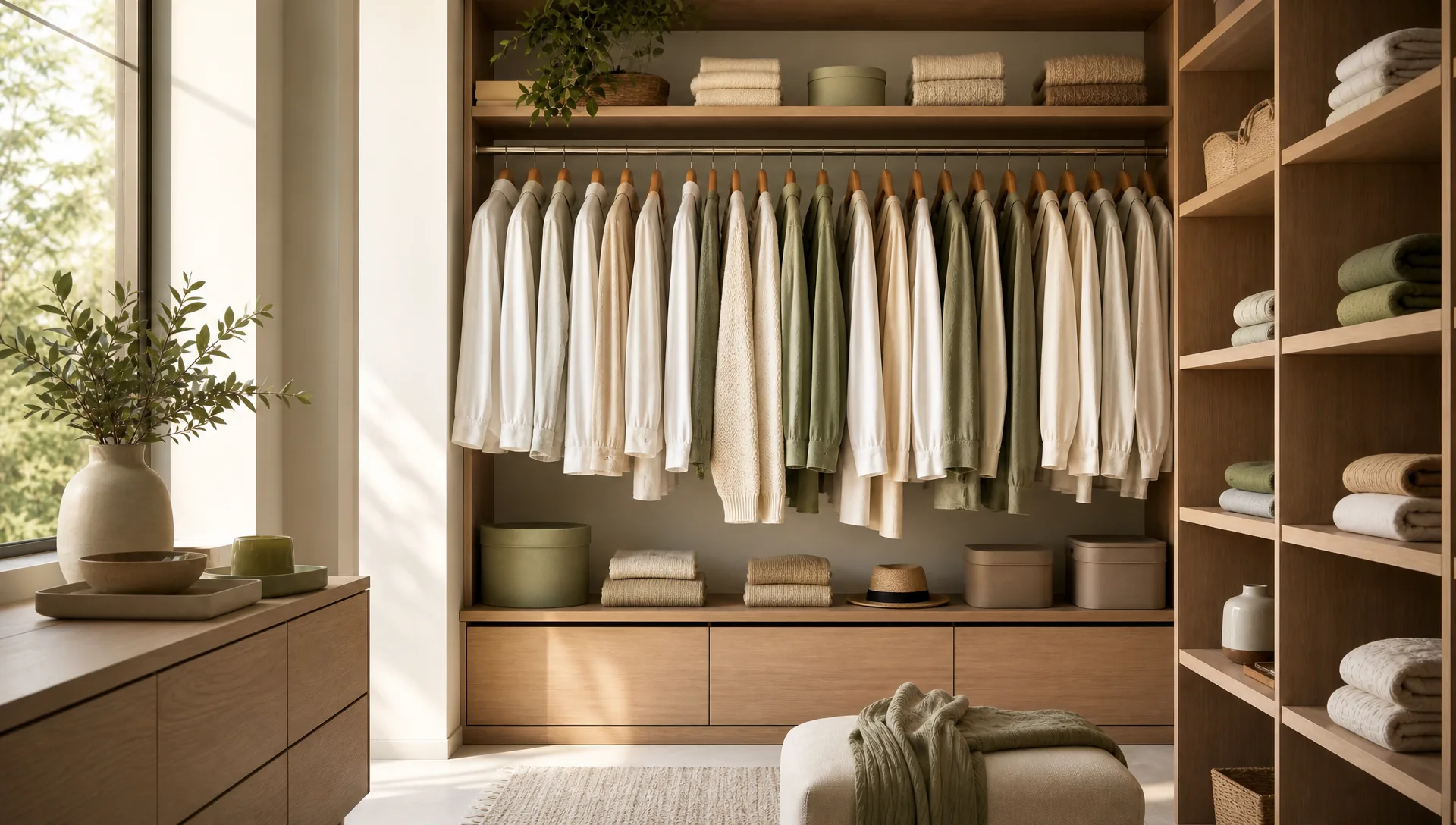
Wardrobe & Capsule Planning course cover
Wardrobe & Capsule Planning — course illustration 2Wardrobe & Capsule Planning — course illustration 3Wardrobe & Capsule Planning — course illustration 4
Specialist

Wardrobe & Capsule Planning

4 lessons · self-paced · capsule planner

Edit your wardrobe to what you actually wear, then plan a capsule that dresses you in minutes.

Most wardrobes hold two parallel inventories: the clothes worn weekly and the archive of good intentions. This course separates them honestly, using wear-pattern observation rather than guilt. You will edit to a working wardrobe, plan a capsule sized to your real week, and set up the storage — hangers, folds, height layers — that keeps mornings at minutes instead of negotiations.

What you’ll learn

  • The wear-pattern audit: editing without the four-pile guilt parade
  • Planning a capsule wardrobe sized to your actual calendar
  • Wardrobe storage: the height layers and the one-motion test
  • Seasonal rotation and the one-in-one-out habit
Sentimental Items & Memory Boxes course cover
Sentimental Items & Memory Boxes — course illustration 2Sentimental Items & Memory Boxes — course illustration 3Sentimental Items & Memory Boxes — course illustration 4
Specialist

Sentimental Items & Memory Boxes

3 lessons · self-paced · memory-box guide

Keep the memory, not the bulk: a kind, practical framework for the hardest category.

Sentimental items defeat ordinary tidying methods because the decision is never about the object. This short course gives memory its own framework: how to choose representative keepsakes, how to build a memory box per person or per chapter, how to photograph and let go of the rest with care, and how to involve family without turning it into a dispute. Slow, kind, and genuinely finishing.

What you’ll learn

  • Why sentimental items need a different method — and what it is
  • The representative-keepsake test and the memory-box structure
  • Photographing, labelling and letting go with care
  • Handling shared and inherited items fairly
Family Systems & Kids' Spaces course cover
Family Systems & Kids' Spaces — course illustration 2Family Systems & Kids' Spaces — course illustration 3Family Systems & Kids' Spaces — course illustration 4
Specialist

Family Systems & Kids' Spaces

4 lessons · self-paced · routine cards

Systems the whole household can run: toy rotation, homework stations and reset routines by age.

A tidy home that only one person maintains is a part-time job with no pay. This course builds systems the whole family can run: low, labelled, one-motion homes for toys; a homework station that survives school terms; entryway systems that absorb the morning rush; and age-by-age reset routines that grow with your children. Less reminding, more working defaults.

What you’ll learn

  • Toy systems: low shelves, picture labels and the rotation box
  • The homework and craft station that packs away in one minute
  • Entryway flow for shoes, bags, letters and lunchboxes
  • Reset routines by age: what a three-year-old, seven-year-old and teen can own
Moving Home, Unpacked course cover
Moving Home, Unpacked — course illustration 2Moving Home, Unpacked — course illustration 3Moving Home, Unpacked — course illustration 4
Specialist

Moving Home, Unpacked

5 lessons · self-paced · moving binder

Declutter before you box it, pack by zone, and unpack to a working home in the first week.

Moving is the most expensive organising project most households ever do — and the best opportunity to slim, because every object must be handled anyway. This course runs the full arc: the pre-move edit room by room, a packing method that unpacks itself, the essentials box that saves the first night, and a first-week unpacking sequence that puts the kitchen and beds first and the guilt boxes last.

What you’ll learn

  • The pre-move edit: room by room, with a keep-out-of-boxes list
  • Zone-based packing and labelling that makes unpacking obvious
  • The essentials box and the first-night plan
  • The first-week unpacking order — and what to leave boxed until it earns opening
Next step

Not sure which course fits?

Register interest with a sentence about your home and the team will advise honestly — including when the free library will do.

Ask the team